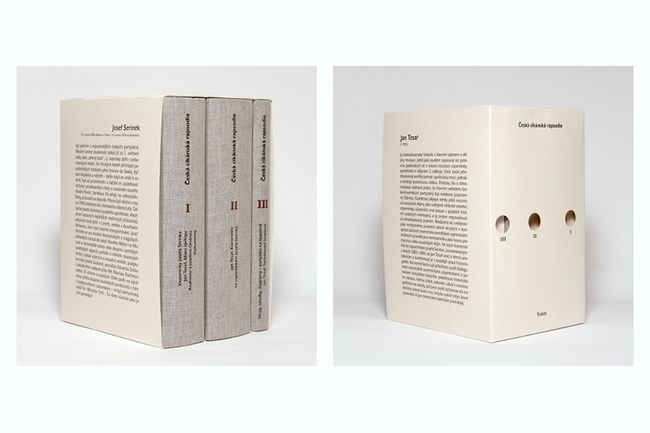
Czech Gypsy Rhapsody
Triáda
2016, 1. vydání
1360 pages
165 x 220 mm
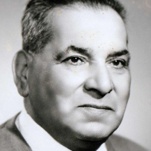
Josef Serinek, a descendant of the so-called Czech Roma, whose family perished in Auschwitz, escaped from the “Gypsy camp” in Lety u Písku to avoid the same destiny. He later joined the partisan movement in the Bohemian-Moravian Highlands, forming a forest unit composed of Czech partisans and Russian refugees. His memoirs were recorded on tape by historian Jan Tesař between 1963–1964. Forty years later, he returned to the manuscript, prepared it for publication, and subjected it to critical scrutiny. This extensive annotated edition is the culmination of the historian’s work on the history of the Czech partisan movement during World War II.
The first volume contains the memoirs of Josef Serinek, divided into eighteen chapters and supplemented by an epilogue by Jan Tesař and documentary appendices. In the first two chapters, Serinek revisits the events of World War I. The third and fourth parts cover the period of the First Republic (Serinek lived in the Sudetenland) and describe, among other things, how Serinek’s social and patriotic sentiments took shape. In the next section, he describes the events of 1942, when he and his family were deported to the camp in Lety because of their Romani origin. He fled the camp soon after that. Several dozen of his relatives perished in Auschwitz in the following months.
The following chapters describe Serinek’s dramatic flight and his efforts to find allies in his quest to actively fight the Nazis, which continued until the summer of 1943, when he managed to join the emerging resistance group led by Prof. Josef Grňa and Capt. Karel Veselý-Štainer in the Vysočina region, and gradually began to form his own forest unit, composed of both Czech partisans and Russian refugees. The second volume consists of Tesař’s detailed comments on the memoirs of Josef Serinek, which are the result of more than a decade of meticulous study. The final, third volume of the series contains, in addition to a section of maps, tables, and diagrams on the partisan resistance in the Vysočina region, primarily a comprehensive multi-part study entitled “Serinek Inspirations”, in which he addresses, among other things, the methodological foundations of recording and studying sources, Josef Serinek’s place in the history of the Czechoslovak resistance, and questions such as why the partisan movement did not gain greater traction in the Czech lands during World War II and why it was so easily controlled by the Soviets.
With the publication of Czech Gypsy Rhapsody, Jan Tesař sought to repay “a debt owed not only to Serinek.” At the same time, it was an opportunity for him to “express his final opinion on the tragic outcome of that phase of Czechoslovak history known as the Second Resistance.”
Published by Triáda.
Authors