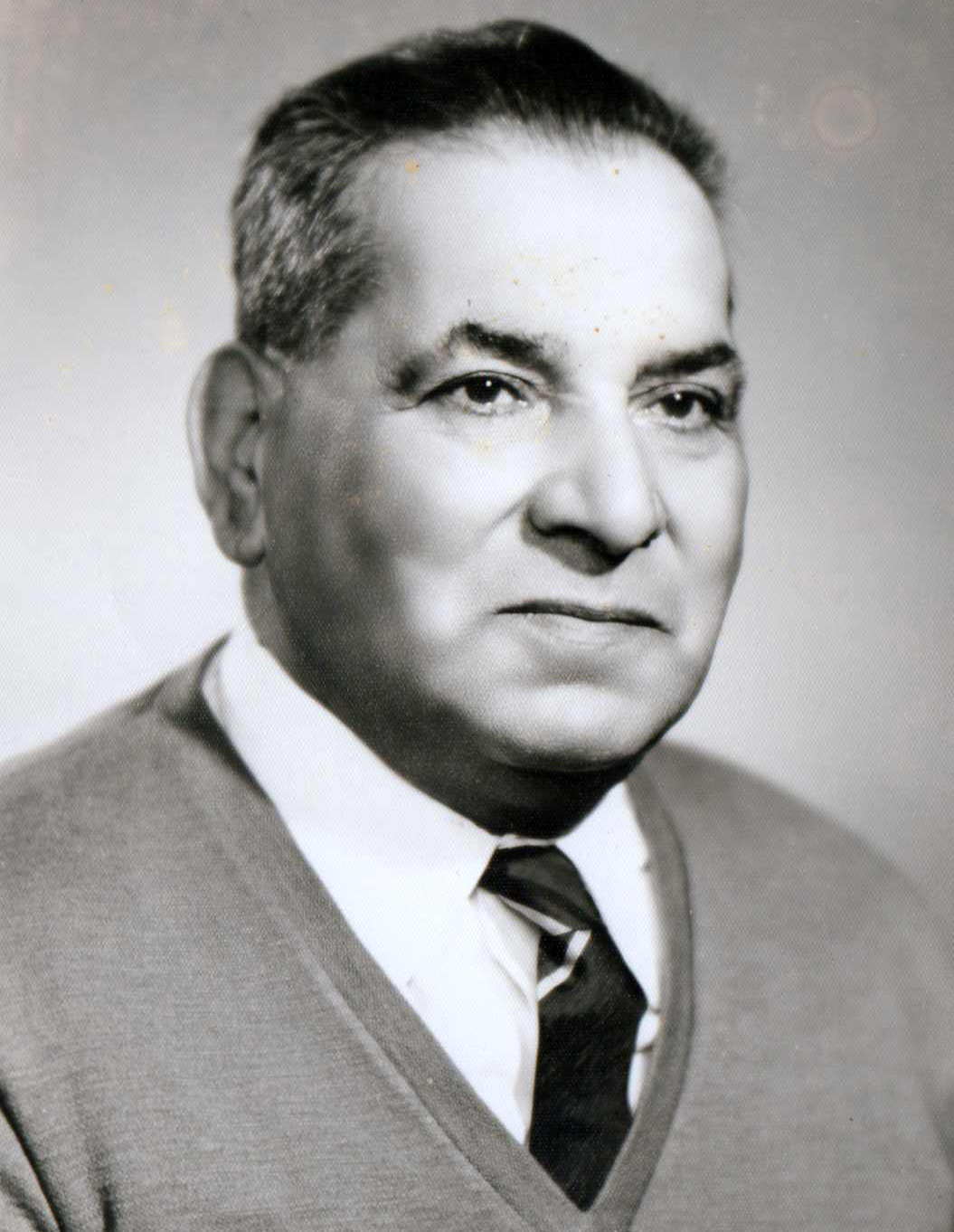
He was one of the leading figures in the Czechoslovak domestic resistance during World War II. On his mother’s side, he was a descendant of the indigenous Romani people of the Czech lands. He spoke fluent Czech, German and Sinti Romani. During World War I, he was conscripted into the army, but later joined a group of German- Romani deserters and went into hiding in the Bohemian Forest. After the war, he was granted amnesty and trained as a gardener at the State Institute for Abandoned Youth in Košice. In the years that followed, he worked as a farmhand. He started a family with Pavlína Janečková, and they had five children. During the period following the German occupation of Czechoslovakia and the establishment of the Protectorate, he worked as a coachman on a farm in Rohy in the Plzeň region.
On August 3, 1942, Josef Serinek, Pavlína Janečková and their five children were arrested by Protectorate police and deported to the Lety concentration camp. Josef Serinek escaped from there and joined the partisans west of the Moravian-Slovak border. There he built an extensive network of contacts, recruited numerous helpers and organized and established hideouts in the forests and with Czech patriots in the Bohemian-Moravian Highlands. He also devoted himself to training young Czechs who had joined the partisans, teaching them how to live in hiding. Although he demonstrably participated in armed combat, after the war he was awarded only the Medal of Merit, which was given for military acts performed outside of combat. His wife and children perished, some in Lety and others after being transported to the Auschwitz-Birkenau concentration camp. After the war, Serinek opened a pub called “The Partisan” in Svitavy and started a new family. After the currency reform of 1953, he closed the pub and worked as a warehouse worker at a brick factory until the end of his life.
In the first half of the 1960s, Serinek dictated his memoirs to historian Jan Tesař over the course of eighteen sessions. They were published by Triáda in 2016.